

Lower Extremity Prosthetics
-
Below the Knee
Below-knee (BK) limb loss, also known as transtibial amputation, involves the removal or absence of the leg below the knee. It’s crucial to be aware of the available options and understand that it’s possible to lead an independent life after such an amputation.
-

Above the Knee
Above-knee (AK) limb loss, also known as transfemoral amputation, involves the removal or absence of the leg above the knee. While individual circumstances and surgical preferences can vary widely, individuals who undergo AK amputation typically commence the prosthetic fitting process several weeks after surgery.
-

At the Hip
Amputations at or just below the hip, commonly referred to as hemipelvectomy, hip disarticulation, or transpelvic amputations, are primarily caused by trauma, cancer, or severe infections. While managing this type of limb loss presents numerous challenges, with the appropriate support, clinical expertise, and prosthetic technology, it is possible to lead an independent life.
-
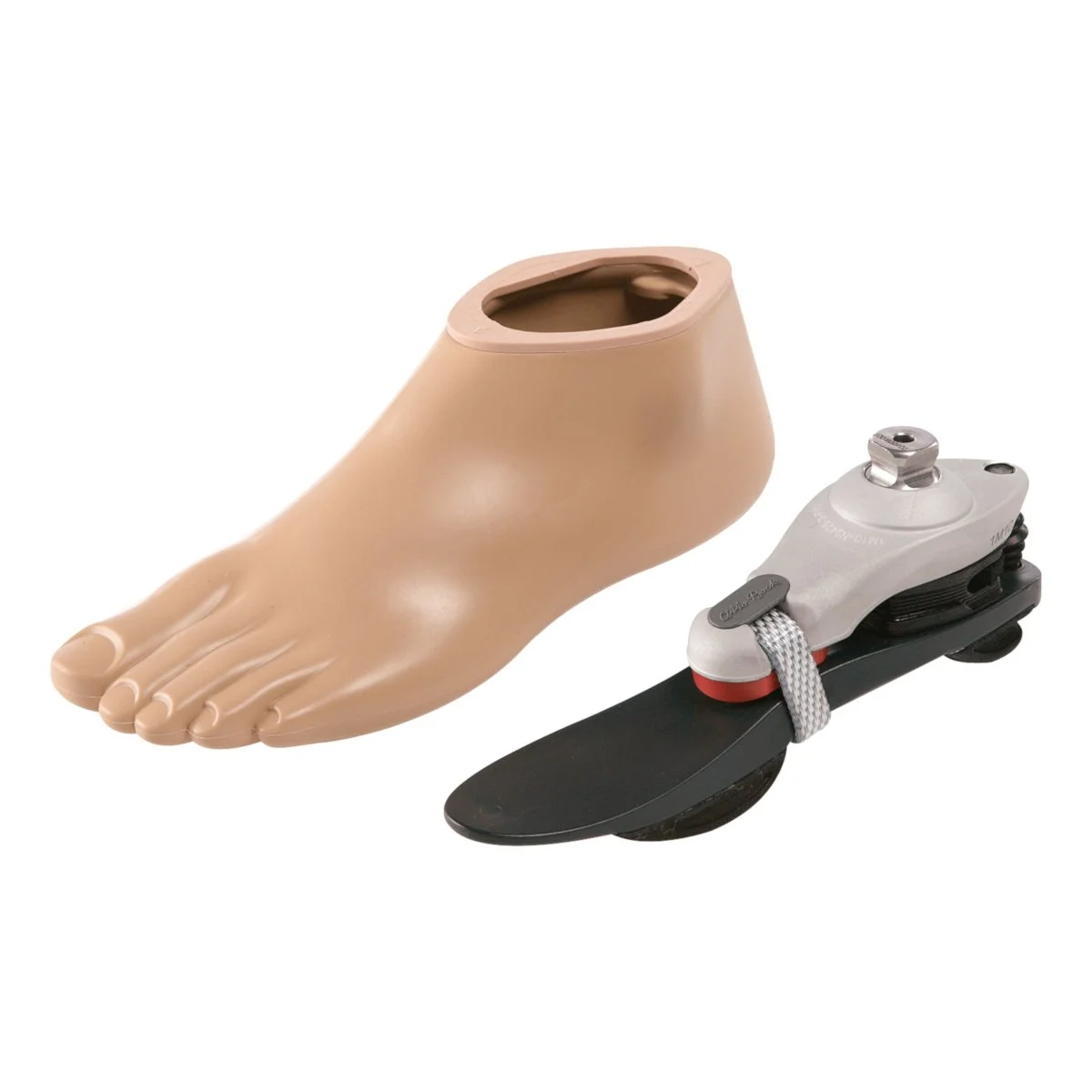
Foot
Diabetes-related complications are the leading cause of foot, partial foot, and toe amputations. In some cases, amputation of part or all of the foot may also be necessary due to injury. Whatever the reason, if you are preparing for or have already undergone a foot amputation, know that you are not alone.